

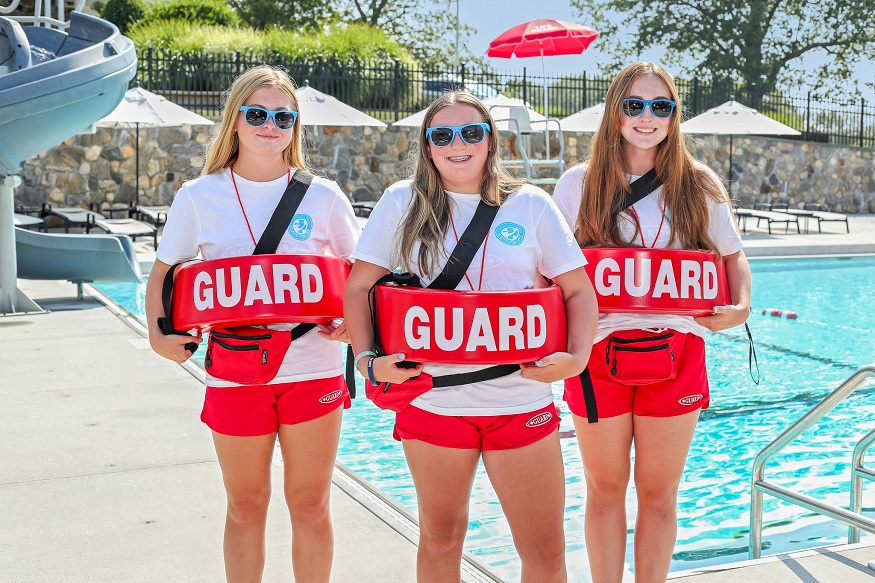
The number one part of a lifeguard, and to be an effective one, is to be trained and certified as a lifeguard. It is obvious, that very little matters if the lifeguard is not a good observer, and the lifeguard’s training (fundamentally sound) and education has occurred before being in (crisis), as having a good observer (less pane) is no guarantee, as a trained and educated lifeguard, is going to be better off, lol saving someone.
In this article, the discussion will centre on lifeguards’ number one priority, safety, by being prepared, and getting lifeguard certification with a group like the American Lifeguard Association (ALA).
Why Is Lifeguard CertificationImportant?
Lifeguarding is not just staring and looking at the water. Lifeguarding includes the following:
- Rescue skills
- First Aid + CPR
- Swimming skill
- Leadership and communication
A lifeguard certification is an affirmation that the lifeguard has gone through training in all of these categories. Many organizations like the American Lifeguard Association have a program that touches upon all of these topics, starting with a passive victim rescue all of the way through a spinal cord injury. Without proper training, we may have lifeguards who don’t have the skills to perform in an emergency.
The Top Priority: Prevention of Drowning and Emergency Response
The priority of any lifeguard is preventing drowning and responding to emergencies. Drowning can happen with little to no splashing and without telling the lifeguard that help is needed. A lifeguard is trained to notice signs of distress and take immediate action.
Read More: What is an insurance policy?
Key Responsibilities That Add to This Priority
- Active Surveillance
- Lifeguards (employing the 10/20 rule) need to actively scan their assigned area. The 10/20 rule is to scan their entire area every 10 seconds and ensure every patron can be reached within 20 seconds.
- Lifeguards should avoid distractions which can contribute to delayed or no response, such as texting, answering phone calls or having conversations with staff or patrons.
-
Enforcement of Rules
- Reducing risky behavior minimizes accidents, and therefore prevents rescues and other emergency responses (running on the pool deck, unwanted rough play, diving in shallow water).
- Preventing risky behaviour can also be seen as enforcing safety rules. Communicating with patrons usually reduces the likelihood of poor decisions.
-
Emergency Readiness
- Lifeguards are expected to perform rescues, provide first aid, and use an AED (if required).
- Ongoing training and practicing will help keep the lifeguard’s skills sharp.
-
Public Education
- Talking to swimmers about water safety and informative conversations about safety (swimming alone, designated swimming time, identifying rip currents). Public education is proactive by providing follow-up intervention to hopefully eliminate future incidents.
Lifeguard certification and a Commitment to Safety
Lifeguard certification is more than a piece of paper—it’s a lifeguard’s most valuable certification. This formal training includes:
- Water rescue techniques (active saves, passive saves, and submerging victim recovery)
- CPR/AED for professional rescuers
- First aid for injuries (cuts, fractures and spinal injuries)
- Legal and ethical responsibilities
The American Lifeguard Association is one of the premier training organizations that meet national standards for lifeguard certification. They design their programs around lifeguarding in real-world conditions which is helpful to help lifeguards build confidence in their skill capabilities.
Read More: When to consult a pain center?
Common Situations for Lifeguards
Even with certification, lifeguards can encounter situations that can test their skills:
- Complacency – Long hours of monotony (i.e., few patrons in the water) can cause decreased vigilance.
- Weather/environmental factors – It can become difficult to maintain lifeguard monitoring when dealing with currents, sun glare, and busy pools.
- Human error – Misunderstanding a swimmer’s capabilities or realizing a situation is more complex than initially judged can lead to serious situations.
Regular training and recertification (typically every two years) ensure lifeguards are ready for the challenges.
Why get certified by the American Lifeguard Association?
When looking for a lifeguard certification organization and program you should find one that is recognized and respected in your community. Why the American Lifeguard Association?
- Their courses are rooted in sound safety practices.
- They offer flexible face-to-face and blended training.
- Their certification is accepted at most pools, beaches and water parks.
Whether you are a first-time lifeguard or renewing a certification, ALA provides training that puts you in the best position to succeed.
Final Word
- Lifeguards save people’s lives; they do much more than respond in crises and stop drownings.
- The work calls for movement and physical activity, thus helping to build strength, endurance, and swimming capacity.
Whether you are starting a career in lifeguarding or renewing your credentials, you are making a good investment in your education and future about obligation that will have eventual implications that will prevent the highest level of water safety. Remember, if lifeguards are educated and trained, everyone can swim safely and confidently.